
Your teeth may look strong, but their outermost layer can gradually wear away. This protective layer, called enamel, shields teeth from everyday pressure, acids, and temperature changes. Enamel erosion happens when acids weaken and remove minerals from the enamel. Unlike a cut or injury, it can develop slowly and may not be obvious at first. In this blog, reading about warning signs and causes can help you protect your smile and know when to consult a dentist in Borivali West!
1) What Exactly Is Enamel Erosion?
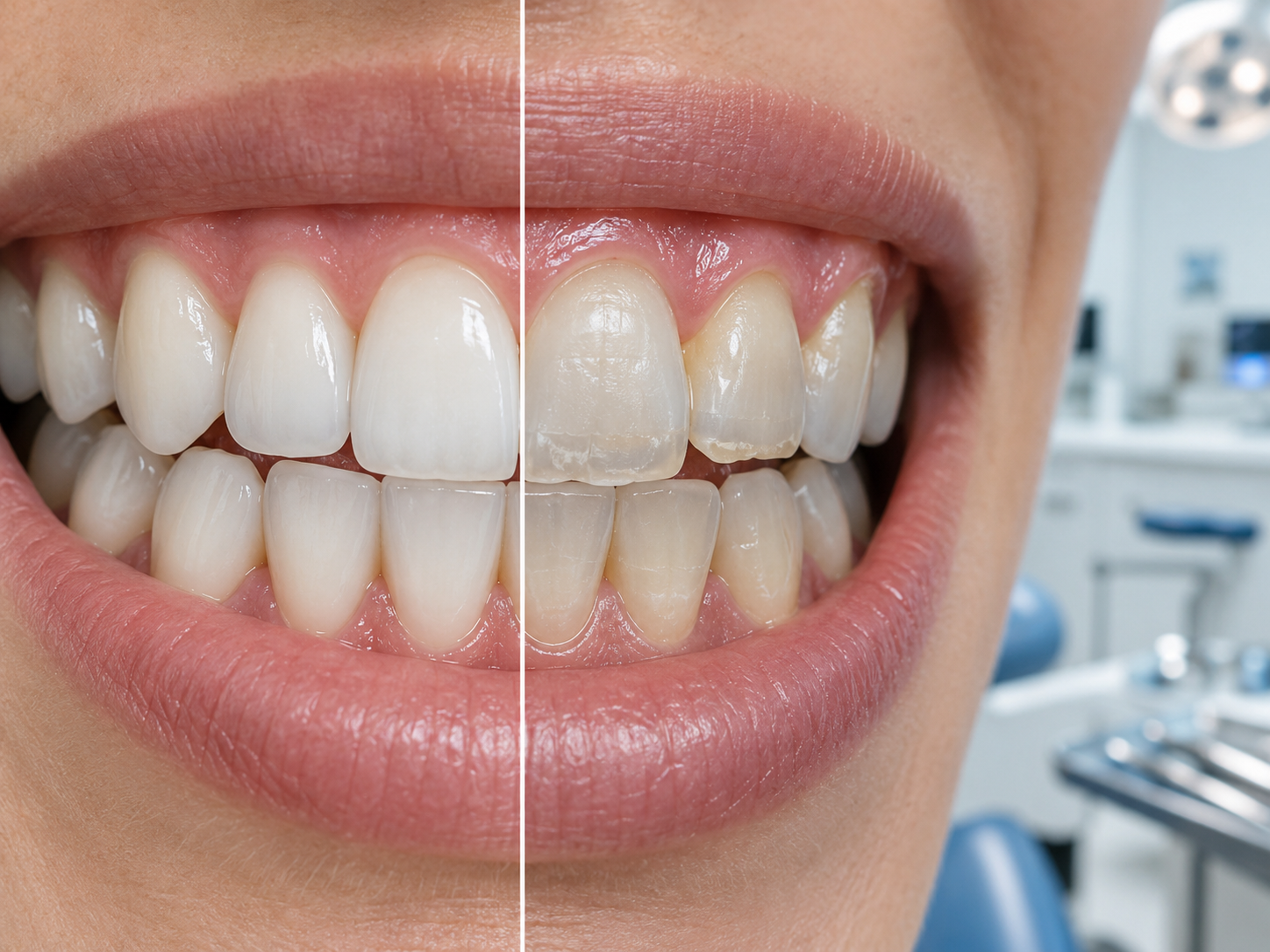
Enamel erosion is the gradual loss of tooth enamel caused mainly by repeated exposure to acids. Enamel is the hardest substance in the human body, but it cannot repair itself once it is permanently lost. Acid can come from foods and drinks or from stomach acid reaching the mouth. As enamel becomes thinner, the underlying dentin may become more exposed. This can make teeth appear more yellow, feel rough, or become sensitive to hot, cold, sweet, or acidic foods.
2) What Causes Enamel Erosion?
Everyday eating and drinking habits can sometimes expose enamel to more acid than it can handle. Frequent consumption of soft drinks, energy drinks, citrus fruits, fruit juices, and other acidic foods may contribute to erosion. Medical conditions involving frequent acid reflux or vomiting can also expose teeth to stomach acid. Additionally, regularly sipping acidic drinks throughout the day keeps the mouth in an acidic environment for longer.
3) What Are The Warning Signs?
Enamel erosion does not always cause noticeable symptoms in its early stages, which makes prevention especially important. As erosion progresses, several changes may become easier to notice:
- Increased sensitivity to hot, cold, sweet, or acidic foods
- Teeth appearing more yellow as dentin becomes visible
- Rough or uneven tooth edges
- Small cracks, chips, or flattened surfaces
- Greater susceptibility to tooth damage
4) How Can You Prevent It?
Protecting enamel is largely about reducing unnecessary acid exposure and maintaining good oral hygiene. Limit frequent consumption of acidic drinks and avoid slowly sipping them over long periods. Drinking water after acidic foods can help rinse the mouth.
However, avoid brushing immediately after consuming something acidic because softened enamel may be more vulnerable to abrasion. Waiting before brushing and using fluoride toothpaste can provide better protection. Regular dental check-ups can also help identify early enamel changes.
5) When Should You Visit a Dentist?
Persistent tooth sensitivity, visible changes in tooth shape, or unusual yellowing should not be ignored. A dentist can examine your teeth and identify whether enamel erosion, tooth decay, gum problems, or another issue is causing the symptoms. Professional advice is particularly useful when erosion is linked to acid reflux, dietary habits, or another underlying concern. Early attention cannot restore enamel that has already been permanently lost, but it can help protect the remaining enamel and prevent further damage.
In Summary
Enamel erosion may happen gradually, but small daily habits can make a meaningful difference in protecting your teeth. Being mindful of acidic foods and drinks, maintaining good oral hygiene, using fluoride toothpaste, and scheduling regular dental visits can help preserve enamel for longer. Most importantly, do not wait for severe sensitivity or visible damage before paying attention. When your teeth start showing unusual changes, getting professional advice early can help keep your smile healthier and stronger.
Give your smile the care it deserves with Dentastic!

Comments are closed