Logo

Surgical Extraction

About Surgical Extraction

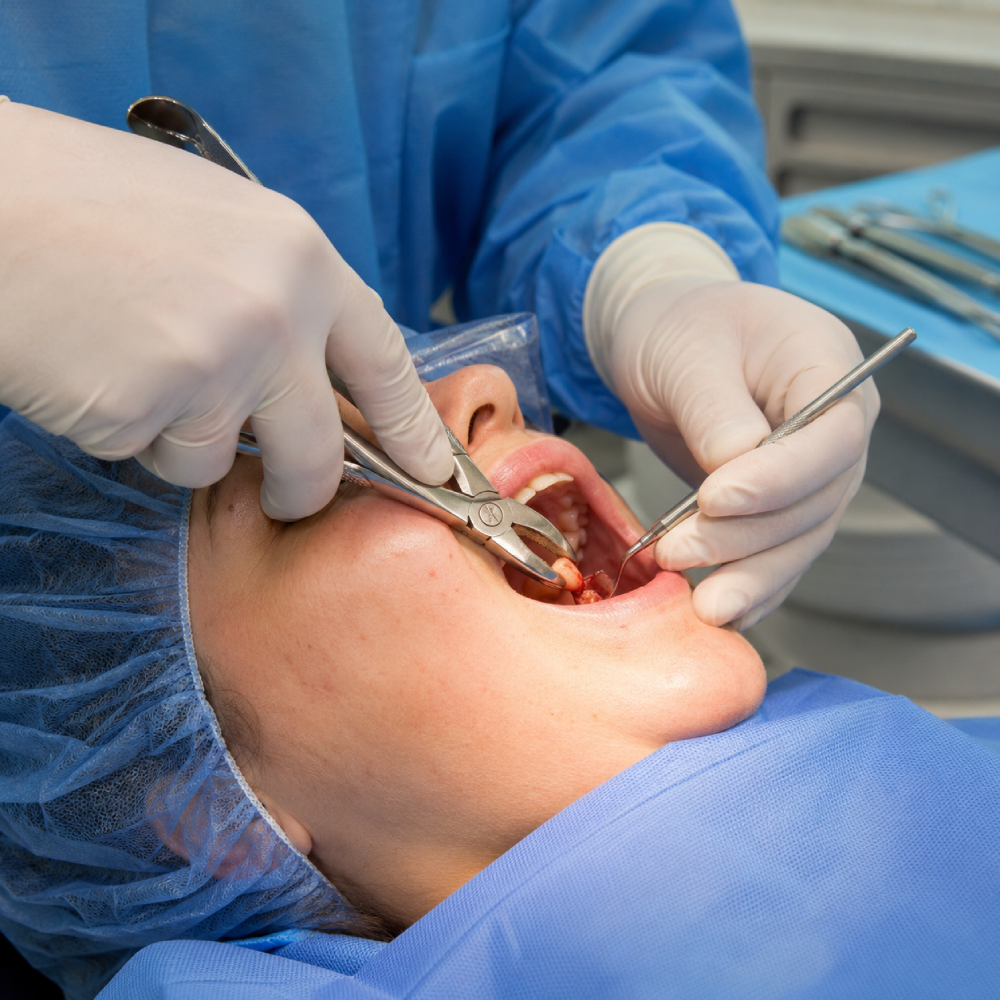
Surgical Extraction is a dental procedure used to remove teeth that cannot be easily extracted, such as impacted, broken, or severely damaged teeth. It involves a minor surgical approach to safely access and remove the tooth.

This treatment is commonly recommended for wisdom teeth or teeth that are not fully visible above the gum line. It helps relieve pain, prevent infection, and protect surrounding teeth and tissues.

Performed under local anesthesia, the procedure is safe and controlled, ensuring patient comfort. With proper aftercare, healing is smooth and complications are minimized.


Surgical Extraction

Benefits of Surgical Extraction

Surgical Extraction helps safely remove problematic teeth while protecting overall oral health.

Relieves Pain — Removes severely damaged or impacted teeth causing discomfort.

Protects Surrounding Teeth — Prevents damage or crowding caused by impacted teeth.

Safe & Controlled Procedure — Performed with precision under anesthesia for comfort.

Prevents Infection — Stops the spread of infection to nearby teeth and gums.

Improves Oral Health — Eliminates problematic teeth that may affect overall dental health.

Faster Recovery with Care — Proper technique ensures smooth healing and minimal complications.

Types of Surgical Extraction

Different types of surgical extractions are performed based on the position and condition of the tooth.

Impacted Tooth Extraction

Removal of teeth that are trapped under the gums or bone, commonly seen in wisdom teeth.

Partially Erupted Tooth Extraction

For teeth that have only partially come out and may cause infection or discomfort.

Broken Tooth Extraction

Used when a tooth is fractured or damaged below the gum line and cannot be removed normally.

Soft Tissue Extraction

Involves removing teeth covered only by gum tissue without bone involvement.

Surgical Extraction

Our Surgical Extraction Procedure

  • Consultation and Examination — The dentist evaluates your condition using X-rays to plan the procedure.
  • Anesthesia Administration — Local anesthesia is given to ensure a painless and comfortable experience.
  • Incision and Access — A small incision is made in the gum to access the affected tooth.
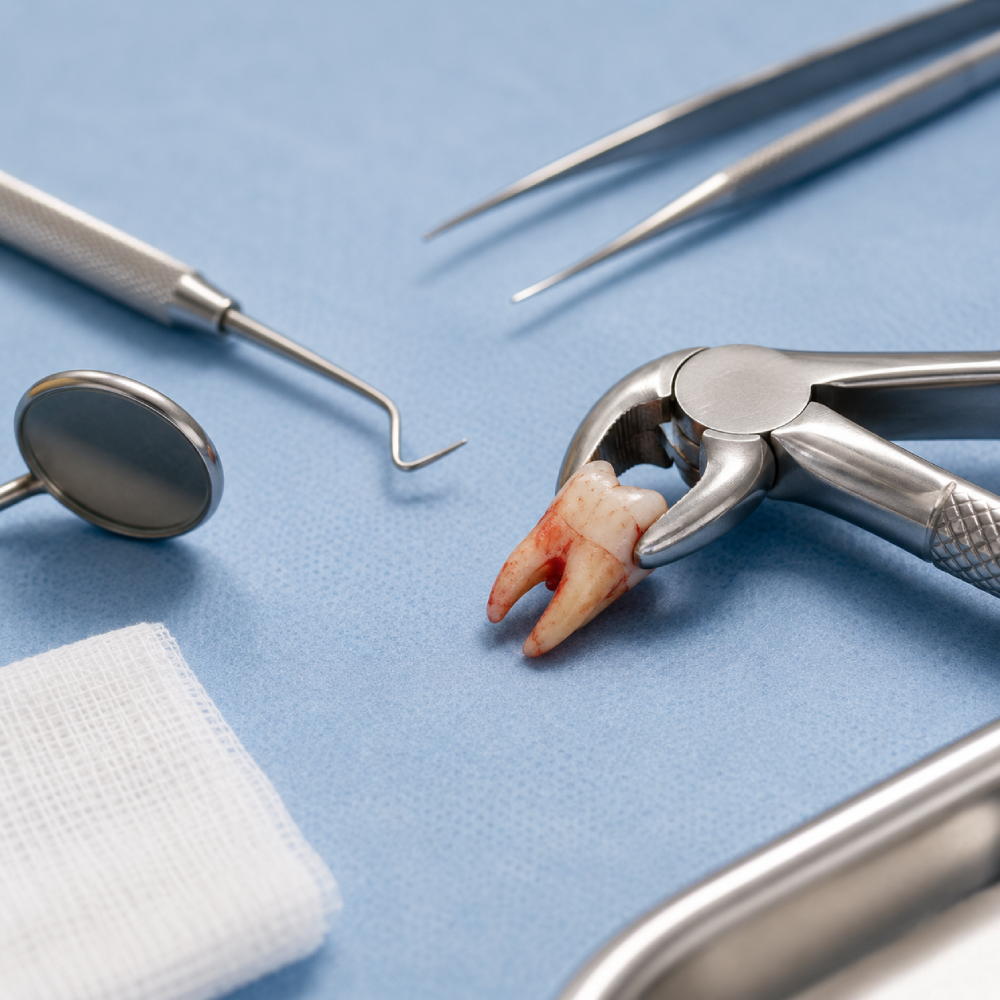
  • Tooth Removal — The tooth is carefully loosened and removed, sometimes in sections if required.
  • Cleaning and Closure — The area is cleaned, and stitches may be placed for proper healing.
  • Post-Procedure Care — Instructions are provided to ensure smooth recovery and prevent complications.

Frequently Asked Questions

It is a procedure to remove a tooth that cannot be taken out with a simple extraction, often due to impaction or damage.

No, it is performed under anesthesia, so you won’t feel pain during the procedure.

Initial healing usually takes a few days, while complete healing may take a couple of weeks.

In many cases, stitches are placed to help the area heal properly.

Avoid hard foods, smoking, and vigorous rinsing for a few days to ensure proper healing.

Book An Appointment

Book your appointment today for a healthy, confident smile. Quick, easy, and hassle-free care at Dentastic.

    Book Your Appointment Today